Rejuve Anti Aging Medical Spa in Rancho Santa Margarita
IPL Laser Treatment
Intense Pulsed Light (IPL)
IPL Laser Treatment at Rejuve Anti Aging
Begin Your Journey to Clear Skin Today
Reveal Clearer, Brighter Skin Without the Downtime
IPL (Intense Pulsed Light) technology uses advanced light energy to target and correct skin concerns at their source. Just like laser treatments, IPL directs light into the skin where it is absorbed by specific pigment cells (chromophores). This light energy converts to heat, precisely treating the targeted area while leaving the surrounding skin unharmed.
What makes IPL different — and incredibly versatile — is that it delivers multiple wavelengths of light in each pulse, rather than just one. This means we can customise your treatment using specialised filters to target pigmentation, redness, sun damage, and other concerns with exceptional precision. The result? Effective treatment with controlled energy levels for enhanced penetration and optimal results.
IPL is a non-ablative resurfacing treatment, meaning it works beneath the surface of the skin (in the dermis) without damaging the top layer (epidermis). That’s why clients love it — you get visible skin rejuvenation without the extended recovery time associated with more aggressive treatments.
While ablative procedures can produce dramatic results, they also require significant downtime. IPL offers a powerful alternative:
✨ Noticeable skin improvement
✨ Minimal discomfort
✨ Little to no downtime
In fact, many clients schedule IPL during their lunch break and return to work the same day.
If you’re looking for a safe, effective way to refresh and revitalise your skin — without putting your life on hold — IPL could be the perfect solution.
No Anesthesia. No Downtime.
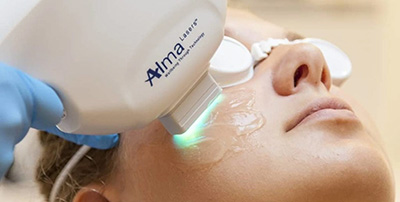
Erase Sun Damage.
Reveal Radiance.
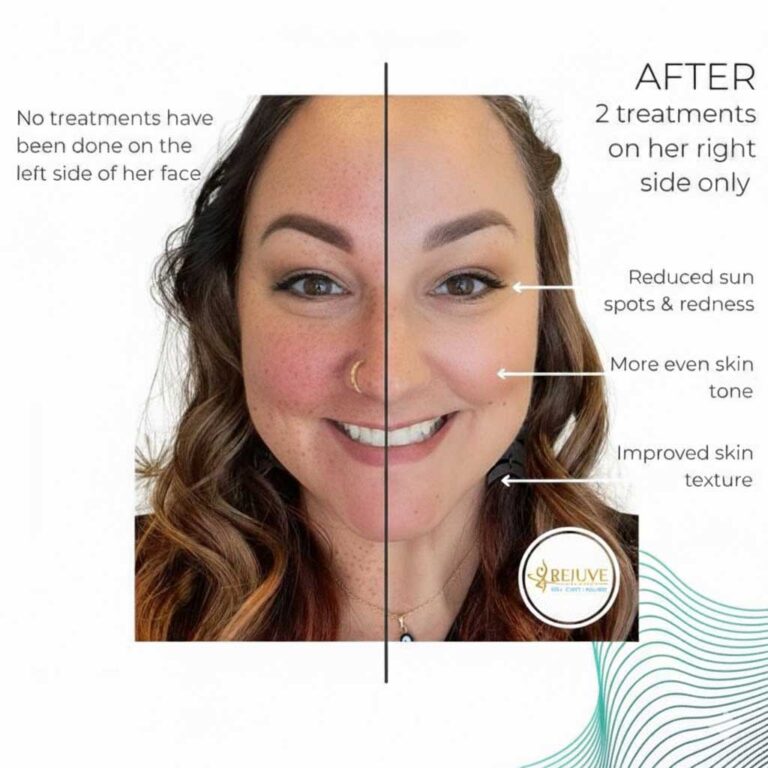
IPL targets unwanted pigmentation, brown spots, and redness to restore a clearer, brighter, more youthful complexion.
Goodbye Redness.
Hello Even Skin.
By gently treating broken capillaries and rosacea-related redness, IPL helps create a smoother, more balanced skin tone.
Turn Back the Clock
on Aging Skin.
IPL stimulates collagen while correcting discoloration, improving overall texture and giving your skin a refreshed, rejuvenated glow.
How does IPL Work?
Intense Pulsed Light (IPL) uses multiple wavelengths of light energy to safely target unwanted pigmentation and visible blood vessels without damaging the surrounding skin.
The light passes through the outer layer of skin (epidermis) and is absorbed by specific targets — either excess pigment (melanin) or hemoglobin in blood vessels.
For Pigment Concerns (Sun Spots, Age Spots, Freckles)
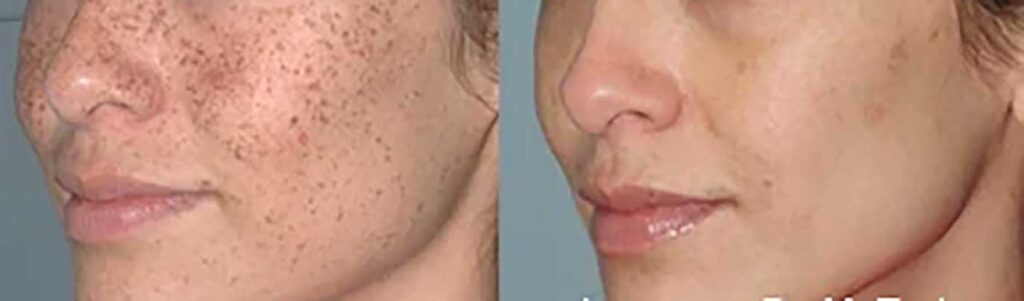
The light energy heats and breaks down excess pigment.
Treated spots may temporarily appear darker.
Over the next 1–3 weeks, the pigment naturally flakes away or is absorbed by the body, revealing clearer, more even-toned skin.
For Redness & Visible Veins (Rosacea, Broken Capillaries)
The light energy targets hemoglobin in unwanted blood vessels.
Heat causes the vessel walls to collapse.
The body gradually reabsorbs the treated vessels, reducing redness and improving overall skin tone.
How Many Treatments Are Needed?
Most patients need 3–6 treatments spaced about 4 weeks apart. This timing allows your skin to properly heal and ensures optimal, long-lasting results.
Benefits of IPL
- Reduces Sun Damage IPL targets sunspots and pigmentation, breaking down excess melanin for a clearer, more even skin tone.
- Minimizes Age Spots & Freckles: By selectively heating pigmented cells, IPL helps fade age spots and freckles, revealing a youthful complexion.
- Diminishes Broken Capillaries & Redness:IPL effectively treats vascular lesions, calming redness from rosacea or broken blood vessels.
- Smooths Skin Texture The treatment stimulates collagen production, improving skin elasticity and softening fine lines.
- Shrinks Enlarged Pores: By encouraging skin renewal, IPL reduces the appearance of large pores and promotes smoother skin.
- Boosts Collagen & Elastin:The light energy encourages collagen remodeling, helping skin stay firm and resilient.
- Long-Lasting, Natural Results: With multiple sessions, IPL gradually restores a more even, radiant complexion that looks natural, not artificial.
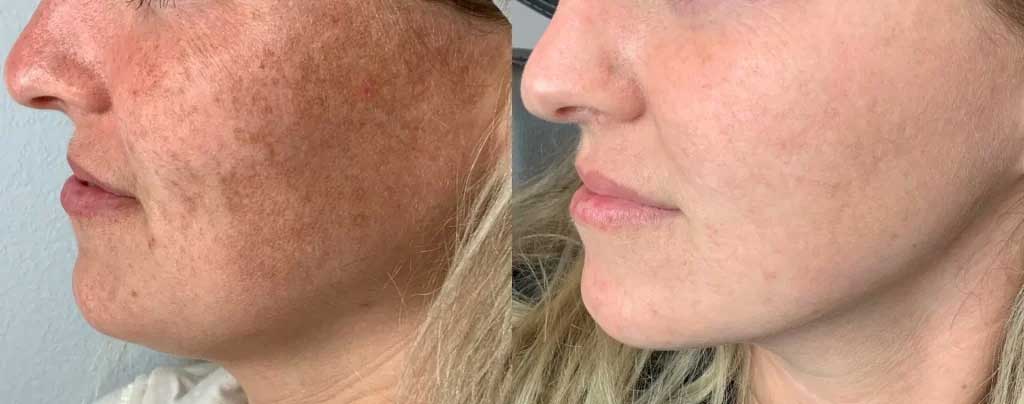
What Results Can I Expect From IPL Treatments?
Quick and Comfortable Treatments
IPL (Intense Pulsed Light) sessions are fast, typically lasting about 15 minutes. Treatments can be performed with or without topical numbing, and most patients find the procedure very comfortable.
Immediate and Long-Term Results
After treatment, your skin may feel like a mild sunburn and show slight redness for 1–2 hours. Brown spots often darken for 7–10 days before naturally sloughing off, revealing lighter or fully cleared skin. Final results generally appear within two weeks, with continued improvement after multiple sessions.
When Will You See Results?
Some improvement may be visible immediately, but full results typically appear after a series of spaced treatments. With proper care, IPL can leave your skin looking clearer, brighter, and more even-toned.
Protect Your Skin
To maintain results, avoid direct sun exposure and apply a broad-spectrum sunscreen with SPF 30 or higher every day. Proper sun protection is key to long-lasting results.
Is IPL Painful?
Most patients tolerate IPL well, though some may feel slight stinging or the snap of a rubber band on the skin. Cooling devices and topical numbing cream can be used for added comfort. Discuss any concerns with your provider before your session.
Who Is a Good Candidate?
IPL works best for patients with lighter skin tones and no active skin infections or eruptions. Since IPL can lighten pigmentation, consultation with an experienced medical professional is essential to determine if this treatment is right for you.
Safety and Risks
IPL is a safe, non-invasive cosmetic procedure. Temporary side effects can include mild redness, discomfort, bruising, or changes in pigmentation. Always choose a licensed, experienced provider to ensure safe and effective results.
Frequently Asked Questions about triLift
IPL (Intense Pulsed Light) is a non-invasive light therapy that targets skin pigmentation, sun damage, broken capillaries, and redness to improve overall skin tone and texture.
IPL uses broad-spectrum light to penetrate the skin and target pigment or blood vessels. The light energy is absorbed, breaking down unwanted pigment or causing vascular lesions to fade.
Yes, IPL is FDA-cleared and considered safe for most skin types when performed by trained professionals. Some temporary redness or mild swelling is normal afterward.
Sunspots, age spots, and freckles
Rosacea and facial redness
Broken capillaries
Acne scars and pigmentation irregularities
Uneven skin tone and texture
Most patients describe a mild stinging or snapping sensation, similar to a rubber band against the skin. Treatments are generally well tolerated and topical numbing can be used if desired.
A typical session lasts about 15–30 minutes, depending on the area being treated.
Most patients see optimal results after 3–5 sessions spaced 3–4 weeks apart, but this can vary depending on skin type and the condition being treated.
You may experience mild redness, swelling, or a sunburn-like sensation for a few hours. Treated spots may darken before fading over 1–2 weeks.
Minimal downtime is required. Most patients can return to their normal activities immediately, although sun protection is essential.
IPL is most effective on lighter skin tones and is less effective on darker skin due to higher melanin levels. Your provider will assess your skin and determine suitability.
IPL can help reduce redness and inflammation associated with acne but is not a primary treatment for active breakouts. It works best on post-acne redness and pigmentation.
Avoid sun exposure and tanning beds for 2–4 weeks before treatment
Do not use harsh chemical peels or exfoliants a few days before
Remove makeup and topical skincare products on the day of treatment
Apply gentle moisturizers and sunscreen
Avoid direct sun exposure and tanning for at least 2 weeks
Avoid hot baths, saunas, or aggressive exfoliation for a few days
Results can be long-lasting, but aging and sun exposure may create new spots over time. Maintenance treatments are recommended every 6–12 months.
Some improvements may be visible within 1–2 weeks, but full results typically appear after multiple sessions as the skin naturally sheds treated pigment.